What is a Hybrid Business?
Learn what a hybrid business model is, how it combines offline and online channels, and best practices for local SEO success.

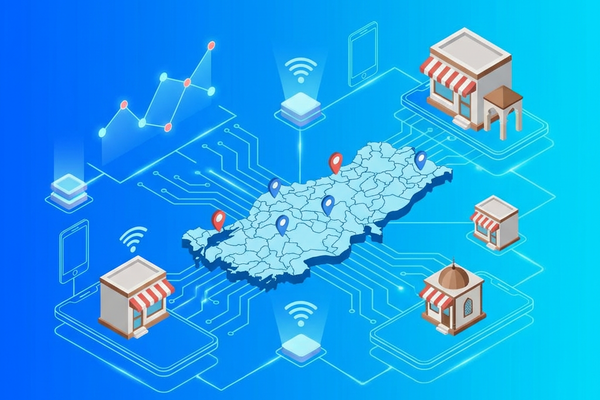
A hybrid business is a type of business that combines traditional business models with digital technologies, enabling it to reach customers through both offline and online channels. This model provides businesses with access to a broad customer base while offering the opportunity to implement diverse marketing strategies. Hybrid businesses serve customers in physical locations while also maintaining an online presence, offering their customers more options.
Hybrid businesses have gained even greater importance with the increasing digitalization trend following the COVID-19 pandemic. By not limiting themselves to physical stores alone, businesses that leverage online sales channels for growth opportunities gain a competitive advantage. Many businesses have adopted this model to strengthen their market presence.
The hybrid business model is a structure oriented toward flexibility and adaptability. Businesses must continuously update their processes and strategies to be effective in both offline and online channels. This approach has the potential to increase customer satisfaction while also expanding business volume.
Why Does It Matter?
In today's business world, customer expectations and consumer behaviors are changing rapidly. The hybrid business model stands out as an effective way to adapt to these changes and remain competitive in the market. Optimizing both physical and digital presence improves customer experience and increases loyalty.
The rise in internet usage and smartphone penetration has changed consumers' shopping habits. Consumers now increasingly turn to online channels to learn about products and services and make purchases. The hybrid business model responds to these changing behaviors, enabling businesses to interact with their customers more effectively.
Hybrid businesses can make their operational processes more efficient and optimize their costs. Online sales channels have lower operating costs compared to physical stores and offer the ability to reach a wide customer base. This helps businesses increase their profit margins.
How Does It Work?
The hybrid business model is based on businesses integrating both offline and online sales and customer service processes. In this model, the synergy between physical stores and online platforms enriches the customer experience. For example, a customer might browse a product online but complete the purchase at a physical store, or vice versa.
For this model to work effectively, businesses need to invest in their digital platforms and offer a user-friendly online shopping experience. E-commerce websites, mobile apps, and social media channels provide broad reach to customers and facilitate the purchasing process.
Additionally, hybrid businesses can develop personalized marketing strategies by collecting and analyzing customer data. Understanding customer preferences and shopping habits helps businesses create more targeted campaigns and increase customer loyalty.
Examples
There are many examples of successfully implementing the hybrid business model. For instance, major retail chains serve a wide customer base by offering comprehensive e-commerce platforms alongside their physical stores. These types of businesses offer online shopping while also providing experiences like product trials and customer service in their stores.
Another example is found in the restaurant industry. During the pandemic, many restaurants continued serving by combining their offline services with online ordering and delivery. This allowed them to expand their customer base and increase revenue.
Service-sector businesses have also adopted the hybrid model. For example, educational institutions have expanded their student base by offering classes both in-person and through online platforms. This flexibility provides students with different learning options while giving institutions the opportunity to reach a wider audience.
Best Practices
For businesses adopting the hybrid business model to succeed, they need to follow certain best practices. First, focusing on customer experience is of great importance. Businesses should provide consistent and quality customer service across both online and offline channels. This increases customer satisfaction and encourages loyalty.
Second, data analytics and personalized marketing strategies should be used. Collecting and analyzing customer data enables businesses to better understand customer needs and develop more effective marketing campaigns accordingly. Personalized offers and messages increase customer engagement.
Finally, investing in technology and continuously updating online platforms helps businesses maintain their competitive advantage. A user-friendly website or mobile app simplifies the shopping experience and increases customer satisfaction. Businesses should continuously improve their services by following technological innovations.
Common Mistakes
There are some common mistakes businesses encounter when implementing the hybrid business model. The first is inconsistency between offline and online channels. Customers expect a consistent experience across both channels. Having consistent pricing, promotions, and customer service increases customer trust.
Second, neglecting the digital presence can negatively affect the success of the hybrid model. Not sufficiently optimizing or making online platforms user-friendly can cause potential customers to be lost. Businesses should continuously improve their online presence to enhance customer experience.
Finally, not sufficiently analyzing customer data can lead to missed personalized marketing opportunities. Businesses should use customer data effectively to develop more targeted and effective marketing strategies. Data analysis is a critical tool for understanding customer needs and providing appropriate solutions.
Related Terms
- ▸
Local SEO: A set of strategies that help businesses rank higher in search engines to reach potential customers in a specific geographic area. For hybrid businesses, local SEO is important for attracting more customers to their physical stores.
- ▸
Digital Transformation: The restructuring of business processes and business models using digital technologies. Hybrid businesses develop their online platforms as part of digital transformation.
- ▸
Online Store: Platforms that sell products and services over the internet alongside physical stores. Hybrid businesses expand their customer base by optimizing their online stores.
Conclusion
The hybrid business model enables businesses to gain a competitive advantage by reaching customers through both offline and online channels. This model improves customer experience while also increasing businesses' growth potential. The number of hybrid businesses is rapidly increasing, and the importance of this model is becoming increasingly recognized.
If you want to transition your business to a hybrid model or improve your existing strategies, you can get support from an expert consultant in local SEO and digital marketing. Contact us to take your business one step further and benefit from our customized solutions!
Author
ajanslokal Team
We create content about digital marketing strategies and solutions for local businesses.
Grow Your Business in the Digital World
Be more visible on Google, win more customers. Get your free digital presence audit now!
Get Free Audit