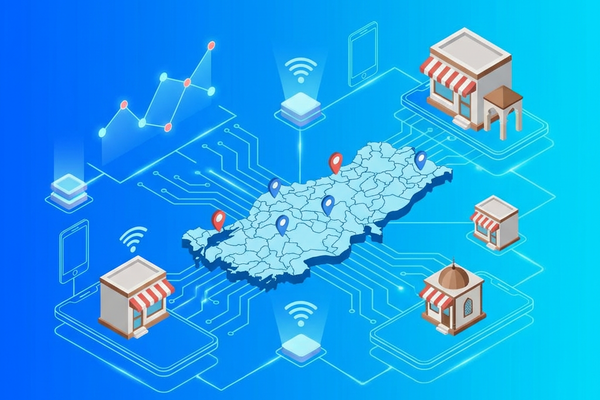
What is Geofencing?
Learn what geofencing means for local SEO. A detailed guide on location-based marketing, best practices, and common mistakes.
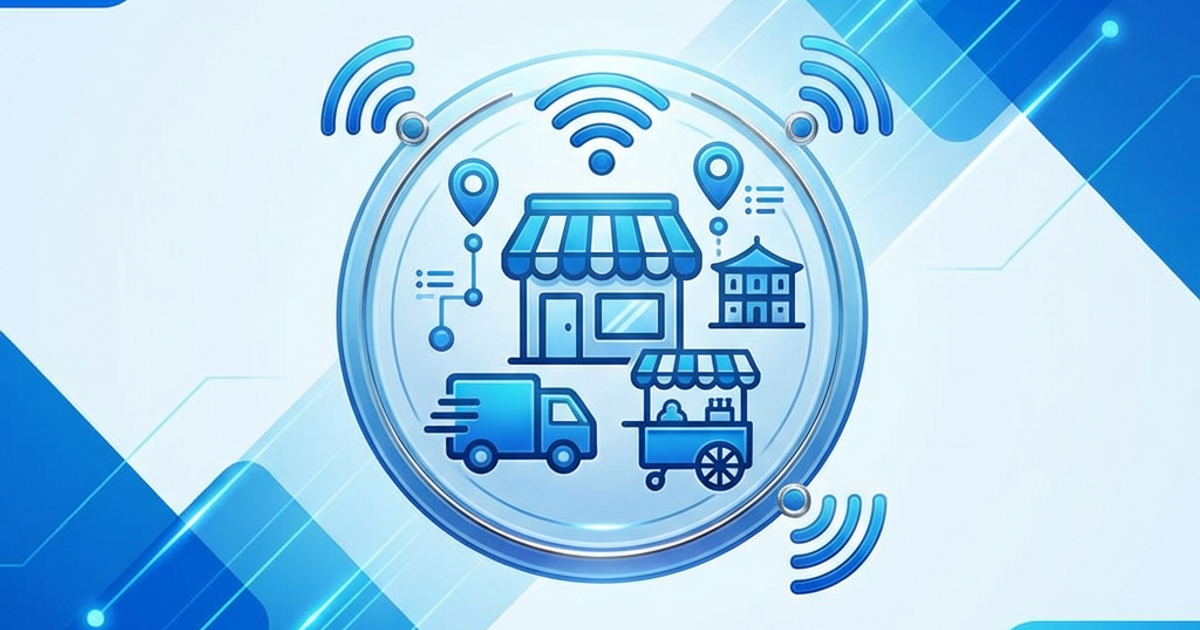
Geofencing is a concept that is gaining increasing importance in digital marketing and local SEO strategies. This term refers to creating virtual boundaries around specific geographic areas. These virtual boundaries are created using technologies such as GPS (Global Positioning System), RFID (Radio Frequency Identification), or Wi-Fi. Geofencing enables businesses to send special offers, notifications, or ads to potential customers who live in or pass through a specific area.
Geofencing is one of the cornerstones of location-based marketing. Especially for local businesses, it offers significant advantages in reaching the target audience in a specific region, increasing customer loyalty, and boosting sales. Effective use of geofencing can make a difference in highly competitive industries.
Why Does It Matter?
The importance of geofencing stems from its ability to allow businesses to reach customers at the right time and place. This technology enables the development of personalized marketing strategies by better understanding the target audience. For example, a coffee shop can increase foot traffic by offering special breakfast deals to individuals heading to work in the morning.
Additionally, geofencing enables more efficient use of marketing budgets. Unlike traditional advertising methods, with geofencing, ads are only shown to people who live in or pass through targeted areas. This allows advertising budgets to be used more effectively and prevents unnecessary spending. For local businesses, this can provide a competitive advantage, especially in large cities.
Finally, geofencing improves the customer experience. Offering customers special deals relevant to their location can help them build a stronger connection with your business. This is important for customer loyalty and long-term customer relationships.
How Does It Work?
Geofencing works by creating a virtual barrier around a specific geographic area. This area can be the immediate vicinity of a business's physical location, a specific city, or even a neighborhood. When users enter this virtual barrier, businesses can automatically send them notifications, offers, or ads.
From a technological standpoint, geofencing is typically supported by technologies such as GPS, Wi-Fi, and RFID. Mobile devices determine the user's location through these technologies and trigger actions when entering or exiting a specific geographic area. The widespread use of GPS-based applications, especially in large cities, facilitates easier integration of geofencing applications.
For example, when a user walks past a shopping center, that shopping center can send a special discount offer to the user's phone. This type of application increases the likelihood that users will enter the shopping center and also personalizes the shopping experience.
Examples
There are many successful examples of geofencing applications in practice. The retail sector, restaurants, and event organizations in particular benefit effectively from this technology. For example, a supermarket chain can direct traffic to its stores by offering special discounts to customers living in certain neighborhoods.
As another example, a restaurant chain can send special lunch discounts to mobile app users when they are near one of the restaurants. This is an effective method for both attracting existing customers and acquiring new ones. Additionally, event organizers can increase attendance by offering special deals to participants in areas where concerts or trade shows are taking place.
The proliferation of such applications makes businesses' marketing strategies more efficient while also offering consumers more personalized experiences.
Best Practices
There are some best practices for the effective use of geofencing. First, you should clearly define your target audience and set your geographic boundaries accordingly. For example, if you are targeting a young audience, creating geofences around university campuses or student housing could be a logical approach.
Second, ensure that the content you send is valuable and engaging. Users will not appreciate constantly receiving irrelevant or unnecessary notifications. Therefore, it is important that your geofencing notifications are the type that will genuinely interest users. For example, you can offer attractive opportunities such as special events or limited-time discounts.
Finally, measure results and continuously optimize your strategy. Evaluate the effectiveness of your geofencing campaigns by analyzing which areas produce better results and which content generates more engagement. This data will help you further improve future campaigns.
Common Mistakes
One of the most common mistakes in geofencing strategies is defining areas that are too broad or too narrow. Defining too broad an area means not properly segmenting the target audience, which can reduce the impact of your marketing efforts. On the other hand, defining too narrow an area can cause you to overlook potential customers.
Another common mistake is bombarding users with frequent notifications. Users do not want to receive constant notifications, and such an approach can lead to customer loss. Therefore, time your notifications carefully and provide content that genuinely adds value to customers.
Finally, it is important to comply with privacy and data protection laws when using geofencing technology. Using location data without users' consent can lead to legal issues and damage customer trust. Compliance with regulations such as GDPR is critical in this regard.
Related Terms
There are several important terms related to geofencing. One is "Location-Based Services" (LBS). This refers to services and content delivered based on users' locations. Geofencing can be considered a subcategory of these services.
Another related term is "Mobile Advertising." Advertising conducted through mobile devices is frequently integrated with geofencing. This ensures ads appear at the right time and place for users.
Finally, "Personalized Marketing" is also closely related to geofencing. Delivering customized content based on users' interests and locations enhances the customer experience and positively impacts sales.
Geofencing is a powerful tool for making a difference in your local SEO and digital marketing strategies. You can effectively use this technology to ensure your business reaches its target audience at the right time and place. Contact us for more information and recommendations, and take your digital marketing strategies to the next level!
Author
ajanslokal Team
We create content about digital marketing strategies and solutions for local businesses.
Grow Your Business in the Digital World
Be more visible on Google, win more customers. Get your free digital presence audit now!
Get Free Audit