How Google Maps Algorithm Works
Learn how Google Maps algorithm ranks local businesses. A detailed guide to local SEO and Google Business Profile optimization.
How Google Maps Algorithm Works
Overview
The Google Maps algorithm determines how local businesses appear in search results. Understanding how it works is key to improving your local SEO strategy and optimizing your Google Business Profile (GBP).
Core Components of the Google Maps Algorithm
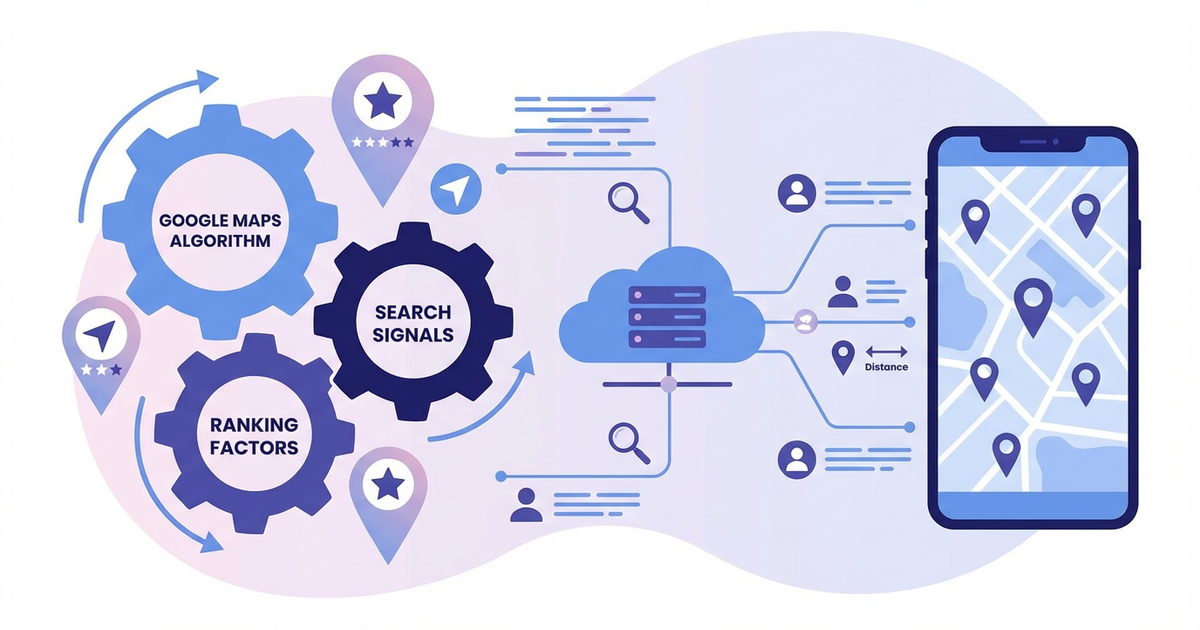
Google Maps has become an essential tool for local businesses in modern digital marketing. The secret to ranking high on this platform lies in understanding how the algorithm works. Google Maps uses a complex set of factors to deliver the most accurate and relevant results to users.
One of the core components is relevance -- how well your business matches a user's search query. Google establishes a connection between the user's search term and the services your business offers. For example, when users search for "coffee shop near me," the algorithm highlights the businesses most relevant to that term.
Another critical component is proximity -- the physical location of your business relative to the searcher. Businesses closer to the user's location generally rank higher. This is a crucial factor for improving local accessibility.
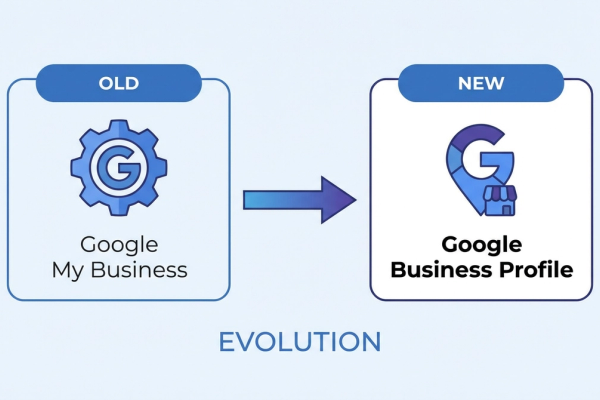
Google Business Profile (GBP) and the Role of Local SEO
Google Business Profile (GBP) plays a significant role in the Google Maps algorithm. Your GBP allows users to quickly access accurate information about your business. Filling out your profile completely and accurately is essential for ranking well in local search results.
GBP optimization includes ensuring your business name, address, phone number (NAP), and operating hours are correct and consistent. Additionally, customer reviews and business photos enhance your GBP's impact. Positive customer reviews, in particular, can improve your ranking by boosting your business's credibility and popularity.
Beyond GBP, optimizing your website with local keywords is also important. Local content strategies -- such as blog posts, customer testimonials, and location-specific pages -- can strengthen both your website and GBP performance.
The Impact of Customer Reviews and Ratings
Customer reviews and ratings are a significant part of standing out in Google Maps results. The algorithm places considerable weight on how users rate your business. Positive reviews signal quality and trustworthiness, while negative reviews can drive potential customers away.
For small and medium-sized businesses, ensuring customer satisfaction and earning positive reviews should be at the center of your digital marketing strategy. Improve your customer service and actively request feedback. Responding to negative reviews with constructive, solution-oriented replies is equally important.
The quantity and quality of reviews are significant ranking factors. Encourage your customers to leave reviews through creative approaches -- for example, post-purchase follow-up emails or offering a small incentive for honest feedback.
Location and Accessibility Factors
The Google Maps algorithm takes the user's location into account when serving local results. Therefore, your business's physical location and accessibility are vital to your local SEO success. Accurately listing your address and pinning your location helps you rank higher on Google Maps.
For businesses in major cities, proximity to public transportation, main roads, and popular landmarks can attract more customers. Consistently updating your full address on your website and GBP helps the algorithm accurately assess your location.
To manage location data correctly, make sure your map pin is in the right place. An incorrect pin can mislead potential customers and erode trust in your business.
Content Strategies and the Power of Keywords
The Google Maps algorithm also evaluates the content related to your business's services. Using local keywords effectively on your website and GBP is essential. These keywords help users discover your business more easily when searching.
When developing content strategies for your local market, choose keywords that align with local culture and trends. For example, if you run a restaurant, highlighting signature dishes and local specialties can attract nearby customers. Blog posts and social media content can further support your local keyword strategy.
When using keywords, avoid spamming. Google can detect unnatural keyword usage, and this can negatively affect your ranking. Instead, focus on creating content that is genuinely valuable and informative for users.
Conclusion and Recommendations
Understanding how the Google Maps algorithm works can help you improve your local SEO strategy. Optimizing your Google Business Profile, focusing on customer reviews, and using local keywords effectively can all boost your online visibility. To stay competitive in your local market, focus on these strategies and continuously make updates.
Take Action!
If you want your business to stand out on Google Maps, start optimizing your Google Business Profile today. By strengthening your local SEO strategy, you can reach more customers and increase your online visibility. Contact us for more information and professional support!
Author
ajanslokal Team
We create content about digital marketing strategies and solutions for local businesses.
Grow Your Business in the Digital World
Be more visible on Google, win more customers. Get your free digital presence audit now!
Get Free Audit